How GPT-4o Will Transform the Healthcare Industry?

GPT-4o Will Transform the Healthcare Industry: The healthcare industry stands on the brink of a technological revolution, thanks to advancements in AI. One of the most promising developments in this field is GPT-4o, a new model by OpenAI. This cutting-edge technology is poised to transform various aspects of healthcare, from enhancing Electronic Health Records (EHR) systems to improving medical notes and assisting medical scribes.
GPT-4o offers numerous applications and benefits that can significantly impact healthcare. Its ability to process and analyse large volumes of data with precision and speed can lead to more accurate diagnoses, personalized treatment plans, and streamlined administrative processes. As we delve into the various ways GPT-4o can transform healthcare, we will highlight real-world applications, potential challenges, and future prospects.
Table of Contents
Introduction to GPT-4o
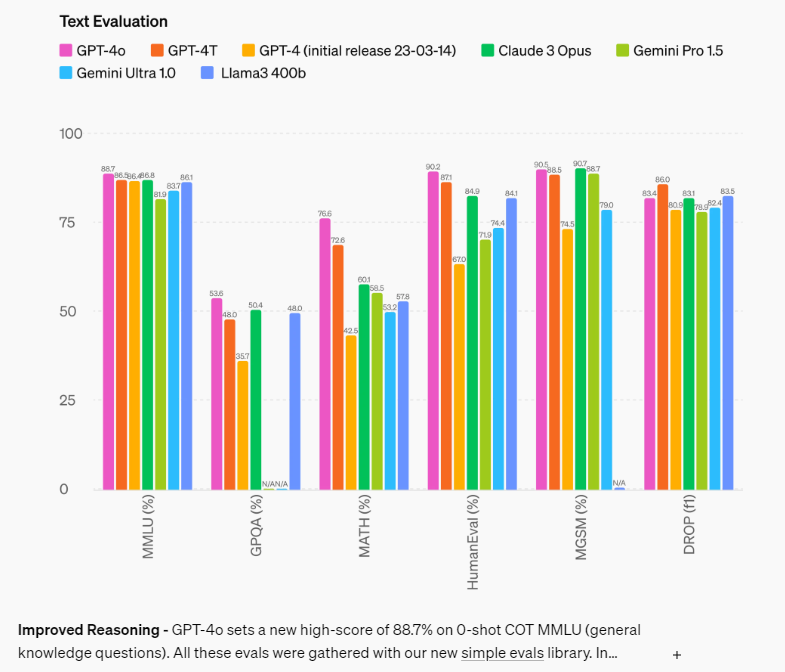
GPT-4o, the latest model by OpenAI, is a significant leap forward in the field of AI. With its advanced natural language processing capabilities, GPT-4o can understand multimodal data like Vision, Voice, and Text and generate multimodal data, making it a valuable tool in various industries, especially healthcare. This model can analyse complex medical data, assist in clinical decision-making, and improve patient care.
Find more info here: https://openai.com/index/spring-update/
Enhancing Electronic Health Records (EHR)
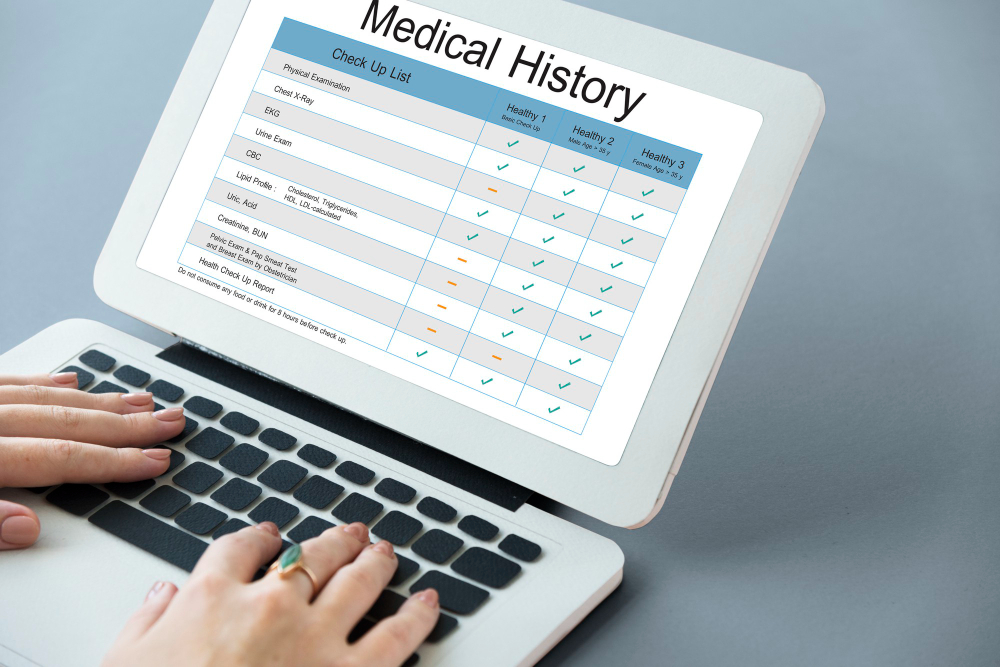
Electronic Health Records (EHR) are a critical component of modern healthcare systems. GPT-4o can enhance EHR systems by automating data entry, improving accuracy, and providing real-time analysis. According to a study by the National Library of Medicine, AI-powered EHR systems can reduce administrative burdens and allow healthcare professionals to focus more on patient care .
Real-world Application
For instance, GPT-4o can extract relevant information from patient records and summarize it, making it easier for doctors to access critical data quickly. This functionality can lead to more efficient and effective patient care. See how Sporo Health is solving this complex problem: https://info.sporo.health/
Improving Medical Notes and Documentation
Accurate and comprehensive medical notes are essential for effective patient care. GPT-4o can assist in this area by transcribing and summarizing medical notes with high accuracy. This capability not only saves time but also ensures that all relevant information is captured.
Case Study
A study published in the Journal of Medical Internet Research found that AI-assisted documentation could improve the quality of medical notes and reduce the time spent on administrative tasks by up to 30% .
Assisting Medical Scribes
Medical scribes play a crucial role in documenting patient interactions and ensuring that all details are recorded accurately. GPT-4o can assist medical scribes by providing real-time transcription and suggesting improvements to documentation. This assistance can lead to more accurate and detailed patient records.

Real-world Application
In emergency departments, where time is of the essence, GPT-4o can help scribes quickly document patient interactions, allowing doctors to focus on critical tasks without worrying about administrative details.
Transforming Patient Care
The ultimate goal of any technological advancement in healthcare is to improve patient care. GPT-4o can transform patient care by providing personalized treatment recommendations based on a patient’s medical history and current condition. This level of personalization can lead to better outcomes and a higher standard of care.
Case Study
A pilot program at a leading hospital used AI to analyse patient data and recommend personalized treatment plans. The program saw a 20% improvement in patient outcomes and a reduction in readmission rates .
Addressing Challenges and Ethical Considerations
While GPT-4o offers many benefits, it also raises several challenges and ethical considerations. These include data privacy concerns, the potential for bias in AI algorithms, and the need for proper regulation and oversight.
Ethical Considerations
Ensuring the ethical use of AI in healthcare is paramount. According to the World Health Organization, it is essential to have robust data governance frameworks in place to protect patient privacy and ensure that AI applications are used responsibly .
Future Prospects of GPT-4o in Healthcare
The future of GPT-4o in healthcare looks promising. As the technology continues to evolve, we can expect even more advanced applications that will further enhance the efficiency and effectiveness of healthcare delivery.
Research and Development
Ongoing research and development in AI will lead to new innovations that can be integrated into healthcare systems. These innovations will likely include more sophisticated diagnostic tools, enhanced predictive analytics, and improved patient engagement platforms.
Frequently Asked Questions
How does GPT-4o improve EHR systems?
GPT-4o enhances EHR systems by automating data entry, reducing errors, and providing real-time analysis, which helps healthcare professionals access critical information quickly and efficiently.
Can GPT-4o assist in diagnosing medical conditions?
Yes, GPT-4o can analyse large volumes of medical data and provide diagnostic suggestions, helping doctors make more informed decisions.
What are the ethical considerations of using GPT-4o in healthcare?
Ethical considerations include data privacy, potential biases in AI algorithms, and the need for proper regulation and oversight to ensure responsible use of AI in healthcare.
How does GPT-4o help medical scribes?
GPT-4o assists medical scribes by providing real-time transcription and documentation suggestions, leading to more accurate and detailed patient records.
What future developments can we expect with GPT-4o in healthcare?
Future developments may include more advanced diagnostic tools, enhanced predictive analytics, and improved patient engagement platforms, further transforming the healthcare industry.
References
- National Library of Medicine. (2022). AI in Electronic Health Records. Retrieved from https://www.nlm.nih.gov/
- Journal of Medical Internet Research. (2023). AI-assisted Documentation. Retrieved from https://www.jmir.org/
- Healthcare IT News. (2023). AI in Patient Care. Retrieved from https://www.healthcareitnews.com/
- World Health Organization. (2022). Ethical Considerations in AI. Retrieved from https://www.who.int/
Conclusion
GPT-4o by OpenAI stands as a transformative force in the healthcare industry, offering advanced solutions to enhance EHR systems, improve medical documentation, assist medical scribes, and provide personalized patient care. With its ability to process vast amounts of data accurately and efficiently, GPT-4o can significantly reduce administrative burdens, allowing healthcare professionals to focus more on patient outcomes. Despite the challenges and ethical considerations, the future prospects of GPT-4o in healthcare are promising, paving the way for innovative applications that will continue to revolutionize the field and improve the overall quality of care.
Future Integration of GPT-4o Will Transform the Healthcare Industry
The potential for GPT-4o will transform the healthcare industry as it becomes increasingly integrated into everyday clinical practice. With the ability to process vast amounts of data and generate valuable insights in real time, GPT-4o will transform the healthcare sector by reducing errors, improving patient care, and enhancing operational efficiency. By automating administrative tasks, GPT-4o will transform healthcare workflows, allowing clinicians to dedicate more time to direct patient care. As more healthcare systems adopt this cutting-edge technology, GPT-4o will transform healthcare delivery, leading to more accurate diagnoses, personalized treatment plans, and ultimately, better patient outcomes.
Ethical Challenges and Regulatory Oversight as GPT-4o Will Transform the Healthcare Field
While the potential of GPT-4o will transform the healthcare field in profound ways, it also raises significant ethical challenges. Data privacy and security concerns are paramount, as the sensitive nature of healthcare information requires strict safeguards. Additionally, there is the potential for bias in AI models, which could inadvertently affect patient outcomes. As GPT-4o will transform healthcare, it is essential for regulatory frameworks to keep pace with these advancements. Governments and healthcare institutions must ensure that ethical standards are upheld and that AI is used responsibly to protect patient privacy and ensure equitable access to healthcare innovations. Ensuring proper regulation will be crucial as GPT-4o will transform the healthcare field and help address these challenges effectively.
Reach out to Sporo Health here: contact@sporohealth.com